Abstract submission deadline extended till April 10!
Lot's of great abstracts already in: And you now have until April 10 to submit yours!

Why stupid mistakes happen (hint, it often involves not thinking)
ISIR member Zach Hambrick has a nice article on the Scientific American web site on the psychology of errors. It's a nice outline of the mechanisms for errors and the role of IQ in these.

Controlled trial shows brain training has no long-term value
New work involving leading UK neuropsychologist Susan Gathercole indicates that brain training has no lasting effects.
Based on claims that this could enhance IQ, reading and math, the researchers randomized children to intensive "brain training" of working memory. The trial was large (over 450 6-year olds) and well controlled, and at one and two year follow ups found… "no improvements in reading, spelling or mathematics".
WM training is being urged (and even paid for) as an intervention for children. The new data say this should end.
original reference ...

Does grit out-weigh IQ? Massive UK study shows not
Some research has shown small associations between "grit" and academic achievement. These have been from small, selected samples, but the results have been widely cited as showing that "Grit outweighs IQ". What do large, well controlled studies suggest?
A new paper from the lab of lifetime awardee Robert Plomin and written by 2014 prize winner Kaili Rimfeld, data from 4,500 16-year-old twins show that grit predicted just one half of one percent (0.5%) of variance in high-stakes school results. This was dwarfed by the effects of IQ. Conscientiousness and ...

Man's best friend and IQ: Dog g in the Guardian
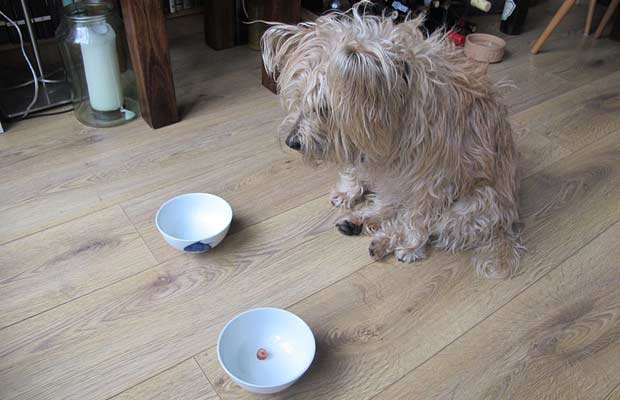
ISIR researchers Dr Rosalind Arden and Dr Mark J Adams have been studying intelligence in dogs, with fascinating symmetries between human and dog IQ suggesting that dogs may be good participants for research on IQ and perhaps research on preventing dementia (if dog-IQ scores could be used as a marker of cognitive decline in our sadly shorter-lived friends).
Food writer Felicity Cloack thought the idea interesting enough to run her own in-house replication and present the research through this lens to Guardian readers. Worth a read!